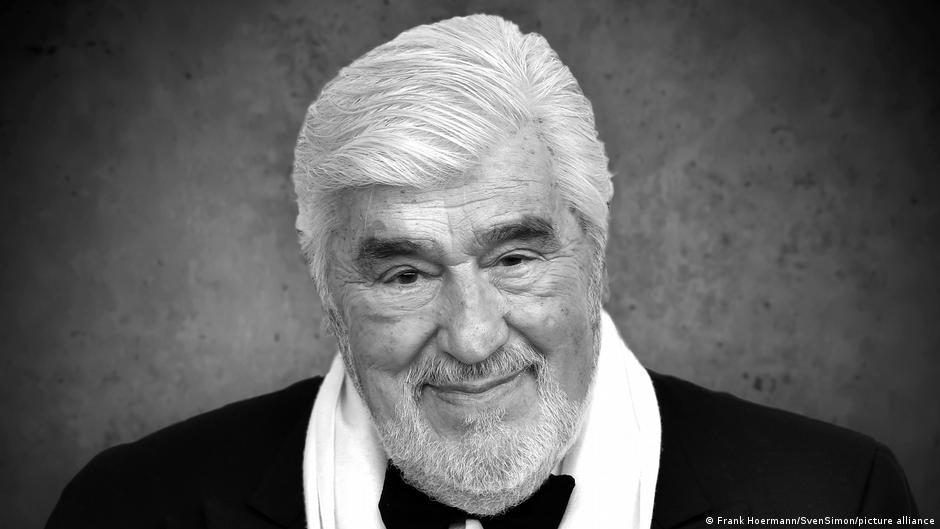
One of the most frequently asked questions by admirers of European cinema and German cultural icons is, "Wann Ist Mario Adorf Geboren?" — When was Mario Adorf born? The answer marks the beginning of a remarkable journey for an actor whose career has spanned decades, leaving an indelible mark on film, television, and literature. Mario Adorf, a name synonymous with versatility and powerful performances, began his life's story in a significant year that would shape much of the 20th century.
The Precise Date: When Mario Adorf Entered the World
Mario Adorf, the celebrated German-Italian actor, was born on September 8, 1930. His birthplace was Zürich, Switzerland, providing him with a unique heritage that would later be reflected in his diverse roles and international appeal. This specific date and location are crucial for understanding the context of his upbringing and the early influences that shaped his artistic path.
The year 1930 itself holds historical significance, nestled between the two World Wars, a period of immense social, political, and cultural change. Adorf’s birth during this interwar period meant his childhood unfolded in the turbulent 1930s and his youth in the transformative 1940s. These decades were marked by global conflict, reconstruction, and the dawn of new eras, undoubtedly influencing the sensibilities of his generation.
Interestingly, Mario Adorf shares his birth year with several other legendary figures who would also go on to define cinematic eras. Icons such as Clint Eastwood, Sean Connery, Gene Hackman, and Maximilian Schell were all born in 1930. This confluence of talent in a single year highlights a particularly fertile period for future film stars, suggesting a shared generational experience that might have contributed to their collective impact on the performing arts.
A Life Unfolding: Childhood, Youth, and Early Influences
Mario Adorf's early life in the 1930s and 1940s was a period of profound development, not just for him personally, but for the world at large. Growing up amidst the shadows of impending global conflict and its aftermath, his formative years instilled a resilience and perspective often evident in his later performances. While specific details of his early childhood remain personal, it's clear that the environment of post-World War I Europe, transitioning into the complexities of World War II, would have provided a rich, albeit challenging, backdrop to his youth.
It was in the late 1940s, as the world began to rebuild, that Adorf first found his calling in the performing arts. His initial forays into acting began with various theater productions. These early experiences on stage were more than just introductory roles; they were the crucible in which his craft was forged. The rigorous discipline of theater, the immediate connection with an audience, and the profound exploration of character laid a robust foundation for what would become an illustrious career.
These foundational years in theater were vital. They taught him the nuances of expression, the power of storytelling, and the sheer dedication required to inhabit a character fully. Many actors who begin their careers in live theater develop a unique stage presence and a deep understanding of dramatic structure, qualities that often translate exceptionally well to the screen. Adorf’s command of his craft, his ability to convey complex emotions, and his formidable screen presence can certainly be traced back to these crucial theatrical beginnings in the immediate post-war period.
From Stage to Screen: Mario Adorf's Enduring Legacy
The transition from the intimacy of the stage to the broader canvas of cinema in the 1950s marked the true beginning of Mario Adorf's ascent to stardom. His first film roles quickly showcased his exceptional versatility, establishing him as an actor capable of embodying a wide array of complex characters with compelling depth and authenticity. From earnest soldiers to menacing villains and charming rogues, Adorf demonstrated a remarkable ability to transform, captivating audiences across diverse genres.
Throughout the subsequent decades, Mario Adorf became a pivotal figure in German and international cinema, contributing to numerous cinematic masterpieces that have left a lasting impact. His filmography is a testament to his range and enduring appeal, including:
- "08/15" (1954/55): One of his breakthrough roles, solidifying his presence in German post-war cinema.
- "Der Hauptmann von Köpenick" (1956): An early demonstration of his dramatic prowess, where he masterfully interpreted the role of Wilhelm Voigt, earning critical acclaim.
- "Die verlorene Ehre der Katharina Blum" (1975): A powerful performance in a politically charged film based on Heinrich Böll's novel.
- "Die Blechtrommel" (1978): Part of the critically acclaimed adaptation of Günter Grass's iconic novel, which won the Palme d'Or and the Academy Award for Best Foreign Language Film.
- "Die Geister, die ich rief" (1982): Showcasing his often-underestimated comedic timing and knack for lighter roles.
- "Kir Royal" (1986): A cult classic television series that cemented his status as a national treasure.
- "Momo" (1986): A beloved family film where he brought his unique presence to a fantastical narrative.
- "Rossini" (1997): A celebrated work that saw him portray an iconic character, adding another layer to his legendary status.
- "Der Bockerer": A significant film in his oeuvre, highlighting his profound ability to portray characters wrestling with historical complexities.
Adorf’s contributions were not limited to dramatic intensity; he frequently infused his performances with a distinctive charm and an often sardonic wit, making him equally adept at comedic roles. This balance between gravitas and levity is a hallmark of his acting style, enabling him to connect with a broad audience and secure a special place in their hearts. To delve deeper into his early career milestones, you might be interested in Wann Ist Mario Adorf Geboren - Article 2. For a more detailed look at his later, impactful works, explore Wann Ist Mario Adorf Geboren - Article 3.
His unwavering commitment to his craft and his profound influence on the industry have been recognized through numerous accolades, including the prestigious Deutscher Filmpreis (German Film Award) and the Bambi, among many others. These awards underscore not only his exceptional talent but also the enduring respect and admiration he commands within the German film community and beyond. For aspiring actors, Adorf's career serves as a powerful testament to the value of versatility, deep character immersion, and sustained dedication to one's art.
Beyond the Camera: Adorf's Broader Cultural Impact
While Mario Adorf is primarily celebrated for his unparalleled acting career, his influence extends far beyond the silver screen and theatrical stages. He has also made significant contributions to literature, enriching the cultural landscape with his autobiographical works. These writings offer invaluable insights not just into his personal life and experiences as an actor, but also his thoughtful reflections on art, cinema, and the broader human condition.
His autobiographies are more than just chronicles of events; they are profound explorations of his journey, from his youth in Switzerland and the challenges he faced to the triumphs he celebrated throughout his illustrious career. Through his words, readers gain a deeper understanding of the man behind the memorable characters, his philosophical approach to acting, and his observations on the evolution of film and society.
Moreover, Adorf's ability to portray complex characters with such authentic nuance has made him a revered figure and a role model for countless younger actors. His dedication to understanding the psychology of his roles, his meticulous preparation, and his commanding presence have set a high bar for aspiring performers. He exemplifies the idea that true acting goes beyond mere performance, delving into the very essence of human experience. His multifaceted career, encompassing both performance and authorship, firmly establishes Mario Adorf as a cultural icon whose significance transcends any single medium.
Celebrating a Milestone: Mario Adorf's Enduring Presence
As a living legend, Mario Adorf continues to be celebrated. In 2026, he will mark his 96th birthday, a testament to his vibrant spirit and enduring legacy. Each birthday is an opportunity for reflection on a career that has not only entertained but also enriched the cultural fabric of Germany and the world. His ongoing presence serves as an inspiration, reminding us of the power of dedication and the timeless appeal of great storytelling.
His personal journey, from his birth in Zürich in 1930 to his celebrated status today, illustrates a life dedicated to artistic excellence. His experiences, both on and off-screen, continue to resonate, reminding us of the profound impact one individual can have through a relentless pursuit of their passion.
Conclusion
To answer the question, "Wann Ist Mario Adorf Geboren?", the precise date is September 8, 1930, in Zürich, Switzerland. This seemingly simple fact opens the door to understanding a profound and influential career that began between two World Wars and unfolded through some of the most transformative decades of the 20th century. Mario Adorf's birth marked the arrival of an actor who would become a defining personality in German cinema, revered for his versatility, the intensity of his dramatic performances, and his surprising comedic flair.
From his crucial early experiences in theater to his iconic roles in films like "Die Blechtrommel" and "Der Hauptmann von Köpenick," Adorf has consistently delivered captivating performances that have earned him numerous accolades and a permanent place in the hearts of his audience. His contributions extend beyond acting to include significant literary works, solidifying his status as a true cultural icon and a mentor for future generations. Mario Adorf's remarkable journey, beginning in 1930, continues to inspire and remind us of the enduring power of exceptional artistry.